
Yoruba Fabrics Takes Centre Stage as Nigerian Student Wows International Fashion Show With Yoruba-Inspired Elegant Designs
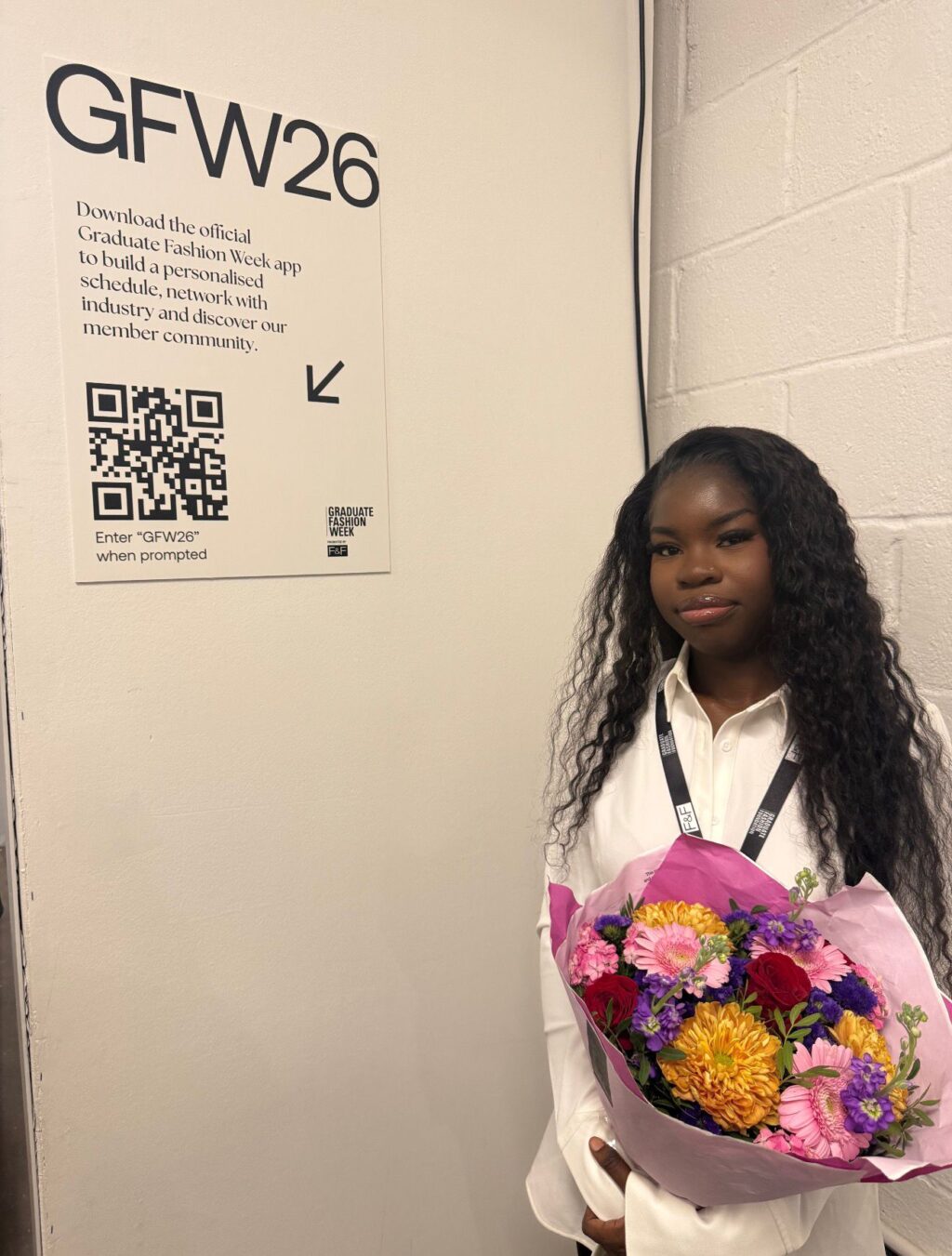

Yoruba fabrics and traditional Nigerian fashion textiles took Centre stage at the 2026 Graduate Fashion Week, showcasing the richness of African culture and craftsmanship on an international platform.
The four-day event, held from 15 to 18 June at the iconic Truman Brewery in the vibrant Brick Lane district of central London, brought together newly emerging graduating designers, industry professionals and fashion enthusiasts from across the world. The event concluded on Thursday with a grand finale celebrating innovation, creativity, cultural diversity, and award-winning emerging fashion talents. Among the highlights of this year’s showcase was the growing presence of Yoruba-inspired textiles and indigenous fashion designs, reflecting the increasing global appreciation for African heritage and craftsmanship.
The collections featured bold patterns, handwoven fabrics (ASO OKE), and contemporary interpretations of traditional attire, demonstrating how cultural identity continues to influence modern fashion.
Ayobami in his year-long project, has detailed some similarities in the Yoruba culture Bata dancing skills and the British native Ballet dancing, which she has said bear similarity in cultural identity, and says that the two unique cultures represent two iconic and vibrant leg movements, submitting that professionals should look deeper into better integration of the two blendable dancing steps and create an avenue for collaborating celebrations of the two cultures.
Graduate Fashion Week, which marks its 35th anniversary in 2026, remains one of the world’s leading platforms for emerging fashion talent, providing graduates with opportunities to present their work to industry leaders, recruiters and international audiences.
Rebecca Ayobami Ogunribido, a student at the Cambridge School of Visual and Performing Arts (CSVPA), captivated audiences at the Collective Catwalk Show, a fashion exhibition that brings together graduating independent designers and various observatory institutions, assessing those showcasing their collections and brands in a unified presentation.

The Collective Catwalk Show opened the first day of the four-day international fashion event, which also featured several award-winning sessions and industry showcases. Ayobami’s Cambridge School of Visual and Performing Arts was among ten participating fashion institutions in the collective Catwork categories, and her collection quickly became one of the highlights of the event.
Titled “Orishas in Fashion,” the collection drew inspiration from the Orishas, the revered deities of Yoruba culture. Through symbolic attire and carefully crafted garments, Ayobami portrayed the dignity, sophistication, elegance, and regal presence traditionally associated with these spiritual figures. Her work presented the Yoruba gods as embodiments of refinement and distinctive style, reflecting the grandeur with which they are represented in Yoruba tradition, and as also celebrated across the World.
Demonstrating remarkable creativity and craftsmanship, Ayobami combined and sculpted various fabrics to create striking pieces that visually interpreted the ancient deities and their association with beauty, status, and fashionable appearance.
Speaking about her inspiration, Ayobami explained that she believes Yoruba cultural traditions have significantly influenced contemporary fashion and contributed to the strong presence of Yoruba style within African fashion globally.
She further highlighted the importance of indigenous textile traditions in Yoruba culture, noting that the deities were often associated with luxurious, locally produced fabrics. Her collection paid tribute to renowned textile-producing communities such as Iseyin and Iwo, famous for their handwoven Aso Oke fabrics, as well as Abeokuta and Osogbo, celebrated for their colourful adire and for creating stylish textile-dyeing traditions. These textile heritage centres continue to play a vital role in preserving and promoting Yoruba fashion identity across the globe.
Through Orishas in Fashion, Ayobami celebrated the Yoruba people’s longstanding appreciation for finely crafted garments, rich textile traditions, and distinctive fashion aesthetics. Her collection served as a powerful reminder of why Yoruba fashion remains influential and admired across Africa and around the world.
According to Ayobami, the Yoruba deities were often associated with elegant and highly valued fabrics, many of which were produced locally through traditional weaving industries that remain visible across parts of, Ogun, Oyo and Osun States in Nigeria. Through her work, she highlighted renowned textile-producing towns such as Iseyin and Iwo, known for their handwoven Aso Oke fabrics, as well as Abeokuta and Oshogbo, which are famous for their richly coloured, dye-based textile traditions, including Kampala fabrics that are popular in Western Nigeria.
The Yoruba people have long been known for their appreciation of sophisticated craftsmanship, distinctive styles, and a strong sense of fashion. Today, Yoruba fashion enjoys recognition around the world.
Ayobami stated:
“I love my culture as a Yoruba woman, and I have always admired the Yoruba style of dressing, which has established the tribe as one of the most fashion-conscious peoples in the world today.”
She further noted that Yoruba culture has, over the years, gained global influence, with people around the world embracing Yoruba traditions in dance, music, and fashion.
Cambridge School of Visual & Performing Arts, an affiliate of Falmouth University, has produced many successful fashion professionals and creatives over the years. Its annual contributing fashion show in the Graduate Fashion Week has become a significant event, and the affiliated Fashion University was celebrated last year, winning awards, and also presenting unique styles in this year’s presentation—featuring strong Yoruba textile and fashion influences—demonstrated the global appeal of African fashion traditions and may inspire more international students to pursue creative excellence in fashion design.