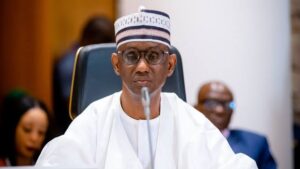
MANAGING VOLATILITY: Cardoso Among Africa’s Best Six Governors.
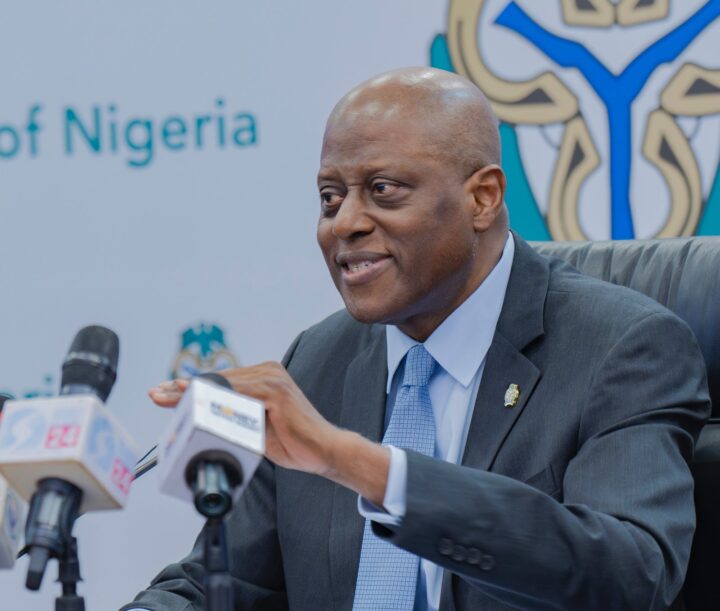

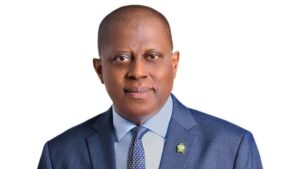
Smarting from the just concluded 2026 Annual Meetings of the World Bank and the IMF in Bangkok, Thailand, Yemi Cardoso, Governor of the Central Bsnk of Nigeria (CBN), may have earned for himself a rating never achieved by any governor of the CBN ever.
The rating , which is a result of an annual survey called Central Bank Report Cards 2026 published on the sidelines of the Annual Meetings of the Bretton Woods institutions has remained the major barometer for measuring the performance of Central Bank Governors across the globe. It has remained the accredited overview of the apex financial institution of all the countries in the world. Previous reports indicate that Nigeria has been reeling over very poor indications by its Central Bank Governors over so many years, indicating a lack-lustre rating signifying poor reforms and policy inadequacies, resulting in huge volatility .
In the 2026 report released after the meetings in Bangkok, Cardoso was rated B+ , very close to call to his 2025 rating of B-, also reported as Nigeria’s best ever before 2025.
This current rating comes to bear to the facts of his Monetary Policy stability in collaboration with the country’s fiscal policy sustainability this year.
The report says that Nigeria is within the six best apex banks among the 54 such banks in Africa, only beaten by the Central Bankfs of Kenya A+, South Africa A, and Tanzania A. Cardoso is rated alongside his two other African contemporaries , Egypt B+, and Zambia B+
This is a huge step above his immediate predecessor who maintained a C rate all through his about six years.
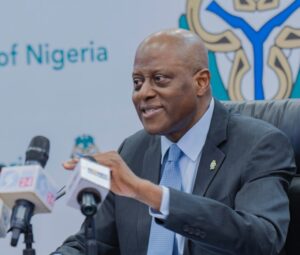
The rating corroborated the governor’s remarks at the various meetings in Bangkok, where he indicated a burning desire to create a monetary policy architecture that would remain the envy of the investing publics.
According to the report. “When he assumed the Governorship of the Central Bank of Nigeria in 2023, Cardoso vowed that orthodox monetary policy would be his mantra, aiming to restore confidence in the economy. Three years later, he is facing pressure to revert to interventionist policies.”
The rating report further indicated that, “undoubtedly, Nigeria has bounced back, thanks to reforms enacted in recent years.
GDP growth growth in 2025 stood at 3.8% and is projected to accelerate to 4.1% this year, driven by the expanding non-oil sector.”
It further added that concerns around, however, that growth is not trickling down, the poverty level is is now 63%.
“Exacerbating the pain is inflation which is 15.91^ in June, forcing the CBN to maintain a tight monetary policy stance in February, it cut its benchmark policy rate by 50 base points to 26.5%, then held it stable at consecutive meetings in May and July”, the report noted.
The report strongly believes that, tackling the volatility that used to characterise the naira has been a key achievement by Cardoso. It emphadizes that “this year, the currency stands as Africa’s Best performing, having appreciated by 6.7%”.
The report concluded that, Cardoso has also presided over a banking-sector recapitalisation that mobilised 3.3 billion dollars in fresh capital and overseen Nigeria’s removal from the FATF grey list.
Prior to the commencement of the meetings, Nigerian participating at the meetings and her official delegation believed that they were at the meeting with very high confidence to compare notes and developments with contemporaries across the globe.
However. Cardoso’s rating rivals those of his contemporaries from Canada, Chile, South Korea, the EU , Malaysia, Japan, HongKong, China, Australia and Peru in the B+ category.
Indications are strong the Cardoso is systematically moving vertical across all ratings that would indicate a stable monetary policy management.